As October turns into November, mornings in Kurnool, Nandyal, Adoni, Yemmiganur and Dhone become cooler and hazier. Dust from roads and construction, smoke from burning leaves and crop waste, and firecracker smoke around Diwali (8 November this year) can all make breathing harder, especially for people with asthma, COPD or heart disease. Air quality is also in the national news: on 21 October 2026 the first stage of the Graded Response Action Plan was put in place in Delhi-NCR as the air there worsened. This guide explains when shortness of breath is an emergency, what may be causing it and what you can do to protect your lungs this season.
Quick answer: Shortness of breath is an emergency if you are gasping, choking or cannot speak in full sentences, your chest feels tight or heavy, pain spreads to your arms, back, neck or jaw, your lips or skin turn pale, blue or grey, or you suddenly become confused. In these situations call 108 or go to the nearest emergency department; do not drive yourself. Breathlessness that is new, getting worse, or comes with swollen ankles or a cough lasting three weeks or more should be checked by a doctor soon.
This article is general health information. It does not replace assessment by a doctor.
What does shortness of breath mean?
Shortness of breath (breathlessness, or "dyspnoea" in medical terms) is the feeling that you cannot get enough air. It is normal to breathe harder after climbing stairs or carrying a heavy load. It is not normal to feel breathless at rest, to be woken at night by breathlessness, or to find that everyday tasks suddenly leave you short of breath.
The NHS page on shortness of breath explains that breathlessness may not be anything to worry about, but sometimes it can be serious and needs medical help. Because the lungs, heart, blood and even anxiety can all cause breathlessness, the NHS advises against trying to self-diagnose the cause.
Emergency signs in adults
Based on NHS advice, call 108 (or 112) or go to the nearest emergency department if a person:
- Has severe difficulty breathing, is gasping or choking, or cannot get words out
- Feels that their chest is tight or heavy
- Has pain that spreads to the arms, back, neck or jaw
- Has lips or skin turning very pale, blue or grey; on darker skin this may be easier to see on the palms, lips or inside the mouth
- Becomes suddenly confused or very drowsy
People who use a reliever inhaler for asthma or COPD should also seek emergency help if the inhaler is not helping as it usually does, or they need it much more often than normal.
Emergency signs in children
Children can become unwell with breathing problems quickly. Get emergency help if a child:
- Has difficulty breathing, makes grunting noises, or sucks the stomach in under the ribs with each breath
- Has lips or skin turning very pale, blue or grey
- Is suddenly confused, agitated or crying constantly
- Is limp, floppy or not responding as they normally do
Good to know: Do not drive yourself to hospital if you are very breathless. Ask someone else to drive or call 108. Take your regular medicines, inhalers and any recent reports or prescriptions with you, as they help the emergency team.
When to see a doctor soon
Not every episode of breathlessness needs an ambulance, but some need a doctor's assessment within a day or so. The NHS advises getting medical help if you:
- Are more short of breath than usual
- Are coughing up blood
- Have pain or swelling in one leg
- Have heart palpitations (a racing, slow, skipping or fluttering heartbeat)
- Feel sick or are vomiting along with breathlessness
Book a routine visit with your doctor if your breathlessness gets worse during normal activities or when you lie down, if you are short of breath and your ankles are swollen, or if you have had a cough for three weeks or more.
Common causes of breathlessness
Shortness of breath has many possible causes. The NHS lists common ones such as asthma, a chest infection, being overweight, smoking and panic attacks. Sometimes it can be a sign of a longer-term or more serious condition, such as chronic obstructive pulmonary disease (COPD), scarring of the lungs (pulmonary fibrosis), heart failure or lung cancer.
| Possible cause | Features that may go with it | How it is usually checked |
|---|---|---|
| Asthma | Wheezing, tight chest, cough, often worse at night or with dust and smoke | Examination, peak flow or breathing tests |
| Chest infection or pneumonia | Fever, cough with phlegm, chest pain on breathing | Examination, chest X-ray, blood tests |
| COPD | Long-term cough with phlegm, breathlessness that slowly worsens, often in smokers or people exposed to smoke | Breathing tests (spirometry), chest X-ray |
| Heart problems | Breathlessness on lying flat, swollen ankles, chest discomfort, palpitations | ECG, echocardiogram, blood tests |
| Anaemia | Tiredness, pale skin, breathless on exertion | Blood count |
| Anxiety or panic | Fast breathing, tingling fingers, fear, often with a trigger | Only after other causes are ruled out |
These features overlap. A doctor needs to examine you and may arrange tests to find the actual cause.
Other causes worth knowing about
Breathlessness can also come from a blood clot in the lungs (often with sudden chest pain or a swollen leg), a severe allergic reaction (with swelling of the face or lips and a rash), fluid around the lungs, very high or low blood sugar levels, and infections such as dengue or malaria when they become severe. Sudden breathlessness after an injury to the chest also needs emergency care.
Why smoke and dust affect breathing
The Ministry of Health and Family Welfare's Advisory on Air Pollution and Health, issued under the National Programme on Climate Change and Human Health, explains that short-term exposure to high levels of air pollution can irritate the eyes, nose and throat and cause coughing, wheezing, chest discomfort and upper respiratory infections. In vulnerable people it can worsen asthma, bronchitis and COPD, and is linked to heart disease and stroke.
The advisory lists common sources of outdoor pollution as vehicle exhaust, road and construction dust, burning of garbage and crop residue, brick kilns, industries and firecrackers. Inside homes, smoke from chulhas burning wood, coal, dung or kerosene, mosquito coils, incense sticks, cigarettes and beedis also adds to the problem.
Who is more at risk
According to the advisory, the people most likely to be affected include:
- Children under five and older adults
- Pregnant women
- People with asthma, COPD and other lung or heart conditions
- People in poorer housing who cook with solid fuels
- Outdoor workers such as traffic police, construction workers, road sweepers, auto-rickshaw drivers and roadside vendors
- Women who cook on biomass stoves or sweep dusty floors
Protecting your lungs this season
The MoHFW advisory suggests practical steps for days when air quality is poor:
- Check the daily Air Quality Index (AQI) for your area on the Central Pollution Control Board website or app, and plan outdoor activity around it
- On poor AQI days, avoid morning and late-evening walks, runs and outdoor exercise
- Avoid heavy-traffic roads, construction sites and areas near brick kilns where possible
- Use gas or electricity for cooking instead of wood, coal or dung where you can
- Avoid burning firecrackers, leaves, crop residue and waste in the open
- Do not burn mosquito coils or incense sticks in closed rooms
- Wet-mop floors instead of dry sweeping
- Do not smoke, and keep homes smoke-free for children and older family members
- Drink enough water and eat fruit and vegetables
Extra care for people with asthma, COPD or heart disease
- Keep your prescribed medicines and inhalers with you, and make sure they have not run out or expired
- Follow your doctor's treatment plan, including preventer inhalers if prescribed
- Avoid strenuous activity on days with poor air quality
- Watch for symptoms getting worse, such as needing your reliever inhaler more often
- Seek medical advice without delay if your symptoms worsen
What happens at the emergency department
When someone arrives with breathlessness, the emergency team will usually:
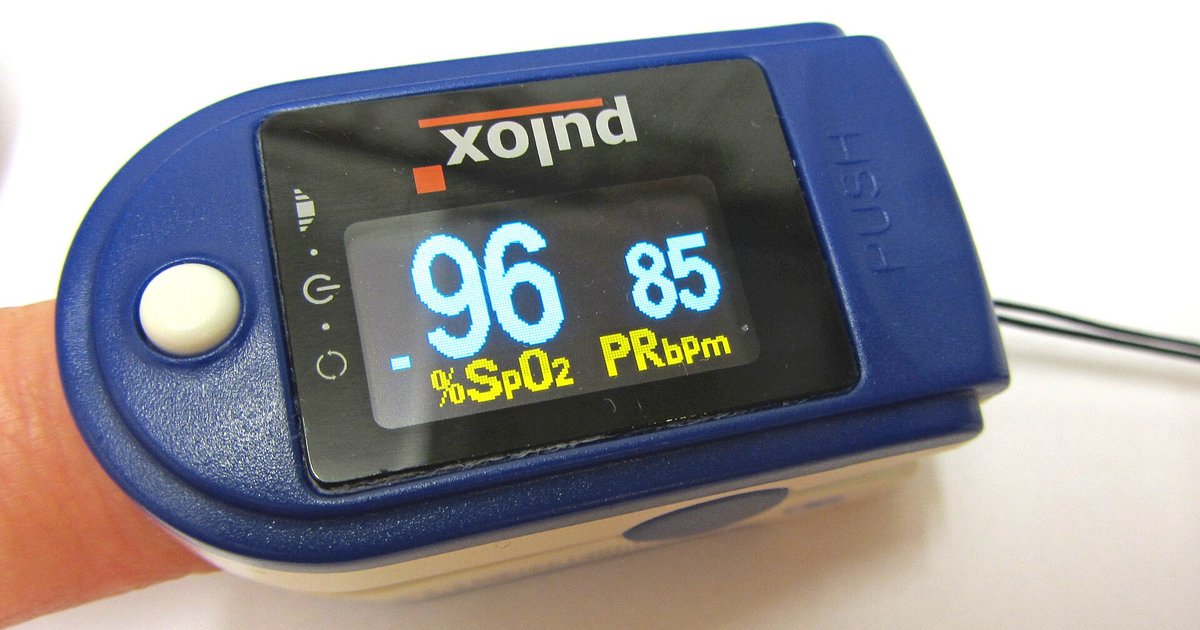
- Check breathing rate, pulse, blood pressure and oxygen level (using a pulse oximeter clipped to the finger)
- Give oxygen or nebulised medicines if needed
- Listen to the chest and ask about symptoms, medicines and past illnesses
- Arrange tests such as an ECG, chest X-ray and blood tests to look for the cause
Some people with severe breathing difficulty, or respiratory failure, need monitoring and support in an intensive care unit. Pulmonology, Cardiology and General Medicine are among the departments listed on the hospital's departments page, which also lists respiratory failure and cardiac failure among the critical conditions managed.
Risks and limits to keep in mind
- A home pulse oximeter reading can be useful, but do not rely on it alone. If a person looks unwell or has emergency signs, seek help whatever the reading shows.
- Do not use someone else's inhaler or medicines.
- Steam inhalation and home remedies do not treat the causes of severe breathlessness.
- Masks may reduce exposure to some dust, but they do not replace staying away from heavy smoke.
- This guide covers common situations only and does not replace a personal medical assessment.
Contact information
Vijaya ICU & Multi-Speciality Hospital, 2nd Floor, Revenue Colony, Nandyal Road, Kurnool 518002, Andhra Pradesh. Phone: +91 7842674920. The hospital is open 24 hours and provides emergency care. Directions and other contact details are on the hospital's contact page.
Frequently asked questions
When is shortness of breath an emergency?
Call 108 or go to the nearest emergency department if you are gasping or cannot speak in full sentences, your chest feels tight or heavy, pain spreads to your arms, back, neck or jaw, your lips or skin turn pale, blue or grey, or you become suddenly confused.
Can air pollution cause breathlessness?
Yes. According to the MoHFW air pollution advisory, short-term exposure to high pollution can cause coughing, wheezing and chest discomfort, and can worsen asthma and COPD in vulnerable people.
Is breathlessness always a lung problem?
No. Heart conditions, anaemia, infections, blood clots, allergic reactions and anxiety can also cause it. A doctor's examination and tests help find the cause.
What should I do if my reliever inhaler is not helping?
Seek emergency help by calling 108 or going to the nearest emergency department. Take your inhalers and medicines with you.
Why do I feel breathless when I lie down?
Breathlessness that comes on when lying flat can be linked to heart or lung conditions. See a doctor, especially if you also have swollen ankles.
How can I protect my family during Diwali smoke?
Keep children, older adults and people with asthma or heart disease indoors when smoke is heavy, avoid burning firecrackers close to the home, keep inhalers and medicines handy, and seek medical help if breathing gets worse.
Medical disclaimer: This article is for general health information only and does not replace diagnosis or treatment by a qualified doctor. Individual situations differ. If you or someone near you has warning signs or a medical emergency, go to the nearest emergency department or call 108.
Image credits: featured image (shortness-of-breath-when-to-go-to-emergency-kurnool.jpg): Wikimedia Commons, File:Pulox Pulse Oximeter.JPG by Stefan Bellini, licence CC0 (http://creativecommons.org/publicdomain/zero/1.0/deed.en); source https://commons.wikimedia.org/wiki/File:Pulox_Pulse_Oximeter.JPG; resized/cropped