October brings cooler evenings to Kurnool, but the weeks after the rains also leave puddles, water tanks, coolers and field channels where mosquitoes breed. Fever is common at this time of year, and many families in Kurnool, Nandyal, Adoni, Yemmiganur and Dhone are unsure whether a fever is viral, dengue, typhoid or malaria. This guide explains the common malaria symptoms, how malaria is tested, which signs need emergency care and what you can do at home to lower the risk.
Quick answer: The most common malaria symptoms are fever, chills or shivering, headache and body pain, often with tiredness, nausea or vomiting. Symptoms usually start 10 to 15 days after an infected mosquito bite. Because these symptoms look like many other fevers, a blood test (a smear under the microscope or a rapid diagnostic test) is the only way to confirm malaria. Get tested the same day you notice fever with chills. Confusion, fits, breathing difficulty, dark urine, yellow eyes or unusual bleeding need emergency care: call 108 or go to the nearest emergency department.
This article is general health information. It does not replace assessment by a doctor.
What is malaria?
According to the World Health Organization's malaria fact sheet, malaria is caused by a parasite and spreads to people mainly through the bites of infected female Anopheles mosquitoes. It does not spread from person to person through touch or coughing, although blood transfusion and contaminated needles can rarely pass it on. The WHO also notes that malaria is preventable and treatable, and that early treatment of mild malaria can stop it becoming severe.
Five types of Plasmodium parasite cause malaria in humans. Two of them matter most in India:
- Plasmodium vivax, which is common in India and can stay quietly in the liver and cause the illness to come back weeks or months later if the full course of treatment is not taken
- Plasmodium falciparum, which can progress to severe illness quickly; India's national guidelines note that severe features can develop within 12 to 24 hours if it is not treated promptly
Is malaria a concern in Andhra Pradesh this year?
State Health Department figures reported in September 2026 showed 7,895 malaria cases in Andhra Pradesh up to 30 August 2026, about 28% more than in the same period of 2025. Most of the rise was in tribal and agency districts such as Alluri Sitarama Raju, Polavaram and Vizianagaram, and the state has started a weekly Friday "Dry Day" asking households to remove stagnant water. Kurnool is not among the districts named for the rise, but people travel between districts for work, studies and festivals, and the mosquitoes that carry malaria are found across the state. So fever with chills in any part of the Kurnool region deserves a test rather than guesswork.
Common malaria symptoms
India's Guidelines for Diagnosis and Treatment of Malaria, published by the National Center for Vector Borne Diseases Control under the Ministry of Health and Family Welfare, describe fever as the main symptom. The fever may come and go, appear every day or every other day, or stay continuous. Many people also have:
- Chills, shivering or rigors (shaking), followed by sweating
- Headache
- Muscle and joint pain
- Loss of appetite
- Nausea and vomiting
- Tiredness and weakness
Symptoms can be mild, especially in people who have had malaria before. Children may seem unusually sleepy, irritable or may refuse food. Pregnant women, young children, older adults and people with weak immunity are more likely to become seriously ill.
Why malaria is easy to confuse with other fevers
In the post-monsoon months, fevers such as viral fever, dengue, typhoid and scrub typhus are also common in Rayalaseema. All of them can cause fever, headache and body pain. The national guidelines advise doctors to look for other causes if the fever comes with a cough and running nose, loose motions, burning urine, a skin rash or painful swollen joints. This is why self-diagnosis and leftover tablets at home are not a good idea.
| Fever type | Features that may point towards it | Test usually used |
|---|---|---|
| Malaria | Fever with chills and sweating, sometimes coming in cycles | Blood smear or malaria rapid test |
| Dengue | High fever, severe body pain, pain behind the eyes, sometimes a rash | NS1 antigen or dengue antibody test, platelet count |
| Typhoid | Fever that rises over several days, stomach pain, poor appetite | Blood culture and other tests as advised |
| Viral fever | Fever with cold, cough, sore throat or body pain | Often clinical; tests if it lasts or is severe |
These features overlap a lot. Only a doctor's examination and the right tests can tell them apart.
Signs of severe malaria that need emergency care
The WHO lists severe symptoms that need emergency care without delay. In India, call 108 or go to the nearest emergency department if a person with fever has:
- Confusion, unusual drowsiness or reduced consciousness
- Fits (convulsions), especially more than one
- Difficulty breathing
- Dark or bloody urine, or passing very little urine
- Yellow eyes or skin (jaundice)
- Unusual bleeding, for example from the gums or nose
- Extreme weakness, being unable to sit, stand or drink
- Repeated vomiting, so that medicines or fluids cannot be kept down
Good to know: Severe malaria can also cause low blood sugar, severe anaemia, kidney problems and low blood pressure. These are checked with blood tests and monitoring in hospital, and some people need care in an intensive care unit (ICU).
How malaria is tested
The national guidelines say that every suspected case of malaria should be tested straight away. Two tests are used:
- Blood smear (microscopy): a drop of blood is stained and looked at under a microscope. It shows whether malaria parasites are present, which type they are and roughly how many there are.
- Rapid diagnostic test (RDT): a small card test using a drop of blood from a finger prick. It detects malaria proteins in the blood and gives a result in a short time. RDTs are useful where a smear result cannot be obtained quickly.
The WHO recommends that malaria is confirmed by one of these tests before treatment is given. A negative test early in the illness does not always rule malaria out, and the doctor may repeat the test or look for other causes if the fever continues. Depending on how unwell the person is, the doctor may also check a complete blood count, blood sugar, kidney and liver tests.
Treatment depends on the parasite type
Malaria always needs treatment with antimalarial medicines prescribed by a doctor. The choice depends on the parasite type, the person's age and weight, and whether they are pregnant. For P. vivax, an additional medicine is usually given to clear the parasite from the liver and lower the chance of the illness returning. It is important to take the full course exactly as prescribed, even if you feel better after a day or two. People with severe malaria need injectable medicines and close monitoring in hospital.
How to lower the risk of malaria at home
The mosquitoes that spread malaria mostly bite between dusk and dawn. Simple steps based on WHO advice can help:
- Sleep under a mosquito net, ideally an insecticide-treated net, especially for children and pregnant women
- Use mosquito repellent on exposed skin in the evening and at night, following the label
- Wear long sleeves and full-length clothing after sunset
- Fit mesh screens on windows and doors where possible
- Empty, scrub and cover water drums, tanks, flower pots, old tyres and coolers at least once a week
- Support local fogging and spraying drives and the Friday "Dry Day"
Local situations to keep in mind
Farm workers in the canal-irrigated fields, people who sleep outdoors on hot nights, construction workers near water pits, and students and workers returning from agency or tribal areas are more exposed to mosquito bites. If you or a family member has travelled to an area with more malaria in the last few weeks and now has fever, tell the doctor about the travel.
What happens when you see a doctor
When you visit a doctor with fever, they will usually:
- Ask when the fever started, whether it comes with chills and sweating, and about any recent travel
- Check temperature, pulse, blood pressure and signs of dehydration, anaemia or jaundice
- Arrange a malaria smear or rapid test, and other tests such as a blood count or dengue and typhoid tests where needed
- Start treatment once the cause is confirmed, and explain warning signs to watch for at home
General Medicine and Pulmonology are among the departments listed on the hospital's departments page, which also lists sepsis and shock, respiratory failure and other critical conditions managed in the ICU.
Risks and limits to keep in mind
- Paracetamol can bring a fever down for a few hours but does not treat malaria. Get tested even if the fever settles with tablets.
- Do not take leftover antimalarial tablets or medicines bought without a prescription. Incomplete or wrong treatment can let the infection come back.
- A person who had malaria earlier can get it again.
- Pregnant women, infants and older adults with fever should see a doctor early.
- This guide covers common situations only and does not replace a personal medical assessment.
Contact information
Vijaya ICU & Multi-Speciality Hospital, 2nd Floor, Revenue Colony, Nandyal Road, Kurnool 518002, Andhra Pradesh. Phone: +91 7842674920. The hospital is open 24 hours and provides emergency care. Directions and other contact details are on the hospital's contact page.
Frequently asked questions
What are the first symptoms of malaria?
The first symptoms are usually fever, chills or shivering and headache, often with body pain, tiredness, nausea or loss of appetite. They usually appear about 10 to 15 days after an infected mosquito bite.
Does malaria fever come every day?
Not always. Malaria fever can come every day, every other day or stay continuous. A pattern alone cannot confirm malaria, so a blood smear or rapid test is needed.
Which test is used to confirm malaria?
A blood smear examined under a microscope or a malaria rapid diagnostic test (RDT) from a finger-prick blood sample. Your doctor may repeat the test if the first one is negative and the fever continues.
Can malaria spread from one person to another?
No, it does not spread through touch, coughing or sharing food. It spreads through the bite of an infected mosquito, and rarely through blood transfusion or shared needles.
When is malaria an emergency?
Seek emergency care if a person with fever becomes confused or very drowsy, has fits, has difficulty breathing, passes dark urine, develops yellow eyes, has unusual bleeding, or cannot keep fluids or medicines down.
Can malaria come back after treatment?
Yes. P. vivax malaria can return weeks or months later if the liver stage is not cleared, which is why the full prescribed course matters. A new mosquito bite can also cause a fresh infection.
Medical disclaimer: This article is for general health information only and does not replace diagnosis or treatment by a qualified doctor. Individual situations differ. If you or someone near you has warning signs or a medical emergency, go to the nearest emergency department or call 108.
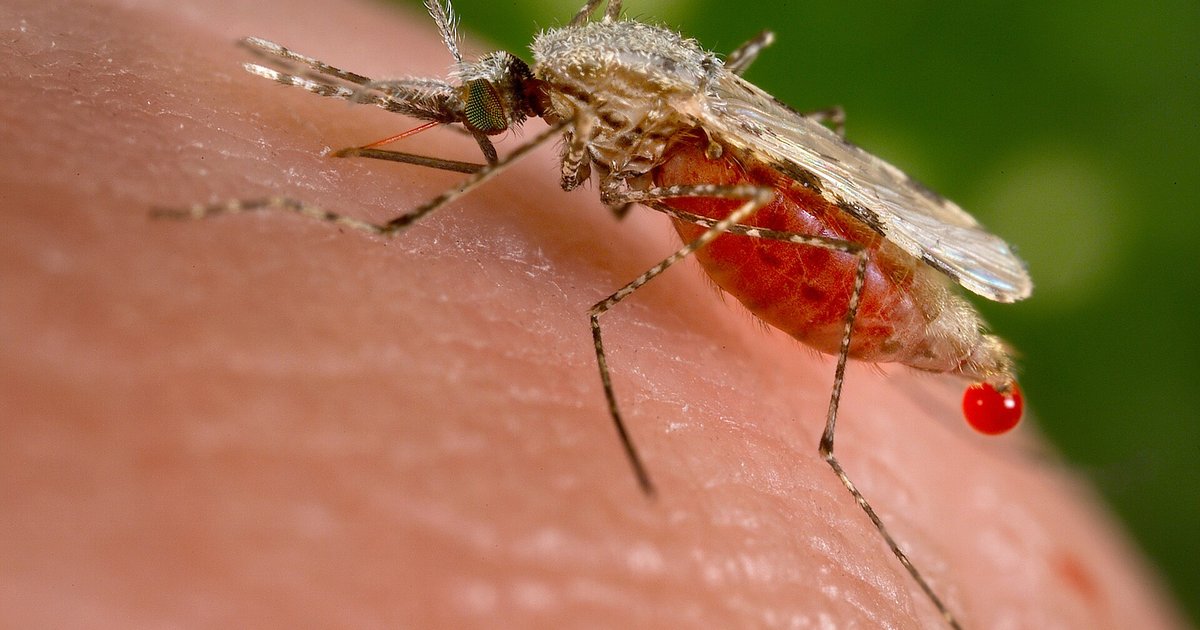
Image credits: featured image (malaria-symptoms-fever-with-chills-tests-kurnool.jpg): Wikimedia Commons, File:Anopheles stephensi.jpeg by Jim Gathany, licence Public domain; source https://commons.wikimedia.org/wiki/File:Anopheles_stephensi.jpeg; resized/cropped