Many people with diabetes in Kurnool, Nandyal, Adoni, Yemmiganur and Dhone take insulin or sugar-lowering tablets every day. A delayed lunch, a long day of field or site work, a bus journey, or a fasting day during Karthika Masam can all push blood sugar too low. With World Diabetes Day on 14 November, it is a good time for families to learn how to spot and handle a "hypo". This guide explains the symptoms of low blood sugar (hypoglycaemia), what to do in the first few minutes, when it becomes an emergency and how to lower the risk.
Quick answer: Low blood sugar usually means a reading below 4 mmol/L (about 70 mg/dL, the unit used on most meters in India). Common symptoms are hunger, sweating, shaking, dizziness, a pounding heartbeat, tingling lips, irritability and confusion. If the person is awake and can swallow, give a fast-acting sugar such as a small glass of fruit juice or glucose tablets, check again after 10 to 15 minutes, repeat if still low, then give a longer-acting snack. If the person is unconscious or having a fit, give nothing by mouth, place them in the recovery position and call 108.
This article is general health information. It does not replace advice from your own doctor or diabetes care team.
What is low blood sugar (hypoglycaemia)?
The NHS page on low blood sugar (hypoglycaemia) describes a "hypo" as blood sugar (glucose) that is usually below 4 mmol/L. It needs to be treated quickly so that it does not get worse, but in most cases the person can treat it themselves.
Low blood sugar mostly affects people with diabetes who take insulin or some other diabetes medicines. It is rare in people who do not have diabetes. Diabetes itself causes high blood sugar, and the medicines that lower it can sometimes lower it too much.
The World Health Organization's diabetes fact sheet notes that the number of people living with diabetes rose from 200 million in 1990 to 830 million in 2022, with prevalence rising faster in low- and middle-income countries. With so many families in India managing diabetes at home, knowing how to recognise and treat a hypo is a useful skill for everyone in the household, not only for the person with diabetes.
Common symptoms of low blood sugar
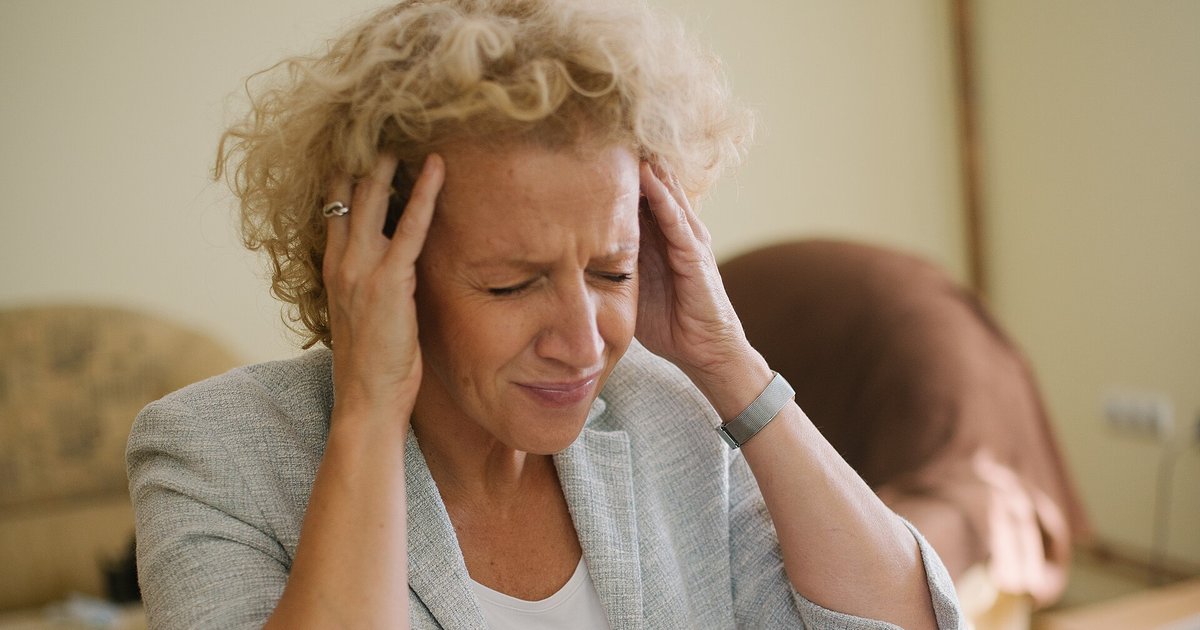
Symptoms can differ from person to person, and the same person may notice different symptoms at different times. According to the NHS, symptoms can include:
- Feeling hungry
- Feeling dizzy
- Feeling anxious or irritable
- Sweating
- Shaking or trembling
- Tingling lips
- Heart palpitations (a fast or pounding heartbeat)
- Feeling tired or weak
- Blurred vision or other changes in vision
- Feeling confused
When blood sugar falls very low, a person may have a fit (seizure) or become unconscious. This is called a severe hypo, and the person needs help from someone else.
Signs family members may notice
Sometimes the person with low sugar does not realise what is happening. Family members may notice that they look pale and sweaty, speak in a slurred way, act unusually or seem drunk, become stubborn or argumentative, or have trouble following a conversation. Hypos during sleep can show up as nightmares, sweat-soaked bedsheets, or waking with a headache or feeling confused. Older adults living alone and people who have had diabetes for many years may notice fewer warning signs.
What to do in the first 15 minutes
If a person with diabetes has symptoms of a hypo, or a reading below 4 mmol/L (about 70 mg/dL), and they are awake and able to swallow, the NHS advises these steps:
- Take a fast-acting sugar. For example, a small glass of fruit juice or a sugary soft drink (not a diet or sugar-free one), five glucose or dextrose tablets, or glucose gel.
- Wait and recheck. Check blood sugar again after 10 to 15 minutes.
- Repeat if still low. If the reading is still below 4 mmol/L, take another sugary drink or snack and check again after 10 minutes.
- Follow with a longer-acting snack. Once symptoms improve and the reading is above 4 mmol/L, eat something that keeps the sugar up for longer, such as a few biscuits, a sandwich or chapati, or the next meal if it is due.
Good to know: Foods like chocolate, laddoos or other sweets with a lot of fat or ghee raise blood sugar more slowly than juice, glucose tablets or a sugary drink. For the first step, a quick-acting sugar works better.
If no meter is available
If you cannot check the level but the person has typical symptoms and is known to have diabetes, it is generally safer to treat it as a hypo with a fast-acting sugar than to wait. Contact a doctor afterwards to understand why it happened.
When low blood sugar is an emergency
If someone has a severe hypo and becomes unconscious, the NHS advises:
- Do not give any food or drink, because they cannot swallow safely
- Put them in the recovery position (on their side, with the head tilted back so the airway stays open)
- Give a glucagon injection if one is available and you have been shown how to use it
- Stay with them until they have fully recovered
In India, call 108 (or 112) or take the person to the nearest emergency department if they are unconscious or not responding normally and:
- No glucagon injection is available, or you do not know how to use it
- They have had glucagon and have not recovered within 10 minutes
- They have been drinking alcohol
- They are having a fit
At the hospital, the team will usually check blood sugar, give glucose through a drip if needed, and look for the cause. People who take long-acting insulin or certain tablets may need to be observed for longer, because their sugar can fall again after the first treatment.
Common causes of a hypo
The NHS lists several reasons why people with diabetes get low blood sugar. You are more likely to have a hypo if you:
- Take too much insulin, or inject insulin in the same place too often
- Miss or delay meals, or do not eat enough carbohydrate
- Do a lot of exercise or physical work without eating more or adjusting the insulin dose
- Drink a lot of alcohol, especially without eating
Some diabetes tablets, such as gliclazide and glimepiride (sulfonylureas), can also cause low blood sugar. Sometimes it is not clear why a hypo happened. Kidney problems can make some diabetes medicines stay in the body longer, so people with diabetes and kidney disease should speak to their doctor about their doses.
Low blood sugar in people without diabetes
This is rare. It can sometimes be linked to severe illness, malnutrition, some hormone conditions, certain medicines or, very rarely, a growth in the pancreas. Anyone without diabetes who gets symptoms such as shaking, sweating, a fast heartbeat and confusion should see a doctor to find out why.
Fasting days, travel and long working hours
Fasting days, temple visits, long journeys and long shifts can make meal times unpredictable. If you take insulin or sugar-lowering tablets and plan to fast, or know you will miss a meal:
- Speak to your doctor a few days before the fast. Medicine doses and timings may need to change on fasting days.
- Do not stop insulin on your own. Some insulin is still needed even on days when you eat less.
- Check your blood sugar more often on fasting days, including before you sleep.
- Break the fast if your reading falls below 4 mmol/L (about 70 mg/dL) or you have hypo symptoms, even if the fast is not over.
- Carry glucose tablets or a sugary drink when you go out, travel or stand in long queues.
- If your work involves heavy physical labour, such as farm or construction work, keep a snack with you and do not work through meal times.
Everyday steps to lower the risk
The NHS suggests that people who take diabetes medicines:
- Follow the treatment plan agreed with their diabetes care team
- Check blood sugar regularly
- Carry something sugary at all times
- Carry a medical ID, such as a card, bracelet or pendant, that says they have diabetes
- Make sure family and friends know how to treat a severe hypo
- Avoid skipping or delaying meals, and avoid drinking alcohol without eating
Driving and low blood sugar
If you drive, check your blood sugar before you set off. The NHS advises checking every 2 hours on long journeys and not driving for at least 45 minutes after your blood sugar has returned to normal following a hypo. This is especially relevant on the long highway stretches between Kurnool, Nandyal, Dhone and Hyderabad.
When to see a doctor
Book a visit with your doctor or diabetes care team if:
- You get hypos often, have had a severe hypo, or have hypos at night
- You do not always recognise the symptoms when your sugar is low
- Your medicines, diet or activity level have recently changed
- You do not have diabetes but have had symptoms of low blood sugar
Diabetes care is managed under General Medicine at the hospital. General Medicine, Nephrology and Cardiology are among the departments listed on the hospital's departments page.
Risks and limits to keep in mind
- Glucose meters can be less accurate at very low or very high readings. Treat symptoms even if the reading seems borderline.
- Never give food or drink to a person who is drowsy, unconscious or having a fit.
- Do not change insulin or tablet doses on your own based on one reading.
- This guide covers common situations only. Your doctor's advice for your own treatment comes first.
Contact information
Vijaya ICU & Multi-Speciality Hospital, 2nd Floor, Revenue Colony, Nandyal Road, Kurnool 518002, Andhra Pradesh. Phone: +91 7842674920. The hospital is open 24 hours and provides emergency care. Directions and other contact details are on the hospital's contact page.
Frequently asked questions
What sugar level is considered low?
Low blood sugar is usually defined as a reading below 4 mmol/L, which is about 70 mg/dL on the meters commonly used in India. Your doctor may give you a personal target.
What should I eat when my sugar is low?
Start with a fast-acting sugar such as a small glass of fruit juice, a regular (not diet) soft drink or glucose tablets. Recheck after 10 to 15 minutes, and once the level is back up, eat a longer-acting snack such as biscuits or a chapati.
Can low blood sugar happen at night?
Yes. Night-time hypos can cause nightmares, heavy sweating, or waking with a headache or confusion. If this happens, speak to your doctor, as your medicine or evening meal may need to change.
Is it safe to fast if I have diabetes?
Many people with diabetes can fast safely with planning, but it depends on the type of diabetes and the medicines taken. Speak to your doctor before fasting and break the fast if your sugar falls low.
Can people without diabetes get low blood sugar?
It is rare. It can be linked to severe illness, malnutrition, certain hormone conditions or medicines. Anyone without diabetes who has hypo symptoms should see a doctor.
When should I call 108 for low blood sugar?
Call 108 if the person is unconscious, having a fit or not responding normally and no glucagon is available, if glucagon has not helped within 10 minutes, or if they have been drinking alcohol.
Medical disclaimer: This article is for general health information only and does not replace diagnosis or treatment by a qualified doctor. Individual situations differ. If you or someone near you has warning signs or a medical emergency, go to the nearest emergency department or call 108.
Image credits: featured image (low-blood-sugar-hypoglycaemia-symptoms-what-to-do-kurnool.jpg): Wikimedia Commons, File:Orange juice 1 edit1.jpg by United States Department of Agriculture (edited by Arad), licence Public domain; source https://commons.wikimedia.org/wiki/File:Orange_juice_1_edit1.jpg; resized/cropped