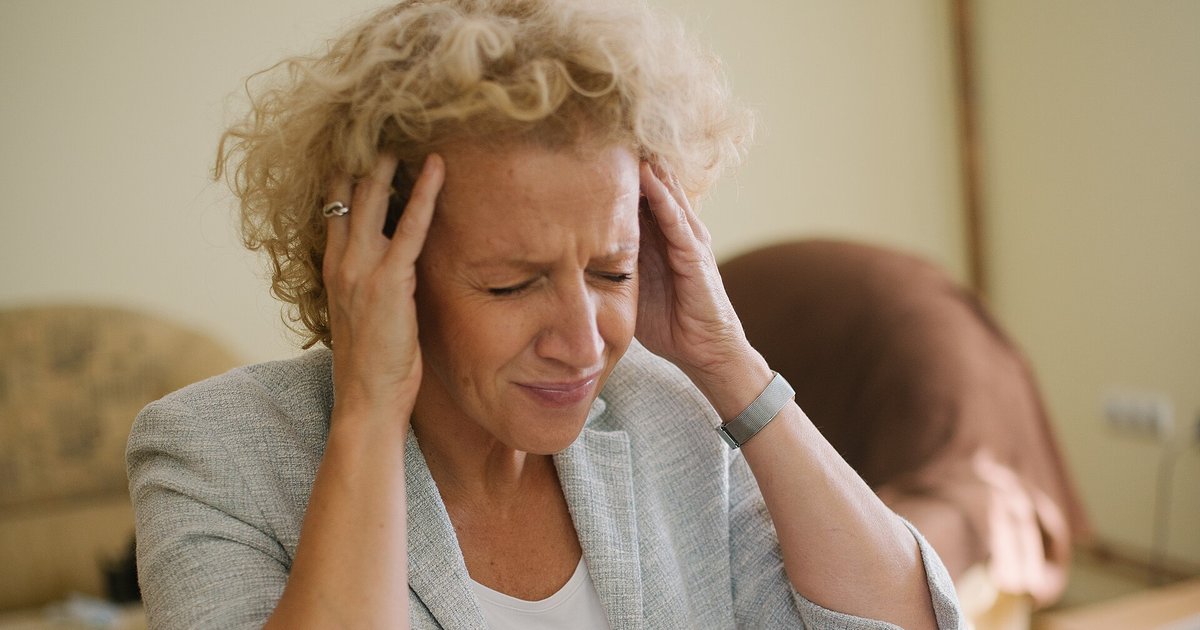
Almost everyone gets a headache from time to time. A long day in the sun, a missed meal, poor sleep, a cold or stress can all bring one on. Most headaches settle with rest, water and simple pain relief and are not a sign of anything serious. A small number of headaches, however, can be a sign of a problem such as bleeding in the brain, a brain infection or a stroke. Knowing the difference helps families in Kurnool, Nandyal, Adoni, Yemmiganur and Dhone decide when to rest at home, when to see a doctor and when to go to the emergency department.
Quick answer: A headache needs emergency care (call 108 or go to the nearest emergency department) if it starts suddenly and is extremely painful, or comes with a seizure, weakness or numbness, difficulty speaking, walking or seeing, confusion or drowsiness, a high fever with a stiff neck or a rash, or follows a head injury. See a doctor soon if headaches keep coming back, are getting worse, wake you at night, are worse on coughing or bending, or come with vomiting or vision problems.
This article is general health information. It does not replace assessment by a doctor.
How common are headaches?
According to the World Health Organization's fact sheet on migraine and other headache disorders, headache disorders affect about 40% of people worldwide, around 3.1 billion people in 2021, and migraine ranked third among neurological conditions for overall disease burden in 2021. The WHO also notes that only a minority of people with headache disorders are properly diagnosed and treated. So while most headaches are not dangerous, regular headaches deserve attention rather than silent suffering.
Common types of headache
Doctors divide headaches into two broad groups. Primary headaches are conditions in their own right, such as migraine and tension-type headache. Secondary headaches are caused by another problem, such as an infection, high blood pressure, a head injury or overuse of painkillers.
| Type | How it often feels | Common triggers or causes |
|---|---|---|
| Tension-type headache | Dull, pressing band around the forehead or back of the head | Stress, poor posture, long screen time, lack of sleep |
| Migraine | Throbbing pain, often one side, with nausea and sensitivity to light or sound; may have visual "aura" | Missed meals, poor sleep, hormonal changes, bright light, some foods |
| Cluster headache | Very severe pain around one eye, with a red, watery eye; comes in bouts | Exact cause unclear; alcohol can trigger attacks during a bout |
| Medication-overuse headache | Daily or near-daily headache in people taking painkillers very often | Taking pain relief on many days each month |
| Headache with fever or illness | Headache along with a cold, flu, dengue or other infection | Viral and bacterial infections, dehydration |
Everyday causes in the Kurnool region
Hot afternoons, long travel on two-wheelers, skipped meals during busy workdays or fasting, dehydration and poor sleep are common, everyday triggers. During the post-monsoon months, fevers such as viral fever, dengue and typhoid also often come with headache. Eye strain from phones and screens and uncorrected eyesight problems are other frequent causes.
Headache warning signs that need emergency care
The NHS guide to headaches lists signs that mean a person should get emergency help. In India, call 108 or go to the nearest emergency department if a headache comes with any of the following:
- A headache that starts suddenly and is extremely painful, sometimes described as the worst headache of one's life or like being hit on the head
- A seizure (fit)
- Numbness or weakness in the face, arm or leg, or a drooping face
- Difficulty speaking, walking, balancing or remembering things
- Confusion or unusual drowsiness
- Loss of vision or double vision
- A high temperature with a stiff neck, or bright light becoming painful
- A rash that does not fade when a glass is pressed and rolled over it
- A head injury in the last few months, for example from a fall or road accident
Good to know: A sudden, severe "thunderclap" headache can be a sign of bleeding around the brain, called a subarachnoid haemorrhage. Headache with fever, a stiff neck and confusion can be a sign of meningitis. Headache with face drooping, arm weakness or slurred speech can be a sign of stroke. All of these need emergency assessment.
Headache signs that need a doctor soon
Some headaches are not emergencies but should be checked by a doctor within a day or two, or sooner if they get worse:
| Sign | Why a doctor should check it |
|---|---|
| Headache with vision or eye problems | May be linked to eye conditions or raised pressure inside the head |
| Headache made worse by coughing, sneezing, bending or exercise | Needs assessment to rule out a structural cause |
| Headache with vomiting | Can be migraine, but also other causes that need checking |
| Headache in a child that is getting worse or wakes them at night | Children need a careful assessment |
| Headache with jaw pain when eating or a tender scalp, especially in people over 50 | May point to inflammation of blood vessels (giant cell arteritis) |
| New headaches after age 50, or a change in your usual headache pattern | Doctors look more carefully at new patterns later in life |
| Headaches that keep coming back or are getting worse despite simple treatment | A doctor can find the type and triggers and plan treatment |
What you can do at home for an everyday headache
For a mild headache with none of the warning signs above, the NHS suggests simple self-care:
- Drink plenty of water, especially in the heat
- Rest, and try to relax; stress can make headaches worse
- Take paracetamol or ibuprofen if suitable for you, following the dose on the pack
- Do not skip meals
- Avoid alcohol
- Take regular breaks from phone and computer screens
- Keep to a regular sleep routine; sleeping much more than usual can make some headaches worse
Keep a headache diary
If headaches are frequent, write down the date, time, how long the headache lasted, what you were doing, what you ate and drank, sleep, any medicines taken and whether they helped. Women may also note their menstrual cycle. A diary helps a doctor identify the type of headache and the triggers.
Tip: Taking painkillers on many days each month can itself cause more headaches. If you need pain relief for headaches more than a couple of days a week, talk to a doctor.
What happens when you see a doctor
For most headaches, a doctor can make a diagnosis by asking questions and doing an examination, without any scans. The doctor will usually:
- Ask how the headache started, where it is, what it feels like and what makes it better or worse
- Check blood pressure, temperature, eyes, nerves, strength, reflexes and balance
- Go through medicines, including how often painkillers are being taken
- Arrange tests, such as blood tests or a CT or MRI scan of the brain, only if there are warning signs or the pattern is unusual
Neurology, Neurosurgery and General Medicine are among the departments listed on the hospital's departments page, which also lists brain stroke and intracranial bleeding among the critical conditions managed.
Risks and limits to keep in mind
- Pain relief can ease a headache caused by a serious problem without treating the cause. If warning signs are present, go to the emergency department even if the pain improves.
- Older adults, pregnant women, people with cancer, people with weak immunity and people on blood thinners need a lower threshold for seeing a doctor about a new headache.
- Do not drive yourself if you have a sudden severe headache, vision problems or weakness. Ask someone to take you or call 108.
- This guide covers common situations only and does not replace a personal medical assessment.
Contact information
Vijaya ICU & Multi-Speciality Hospital, 2nd Floor, Revenue Colony, Nandyal Road, Kurnool 518002, Andhra Pradesh. Phone: +91 7842674920. The hospital is open 24 hours and provides emergency care. Directions and other contact details are on the hospital's contact page.
Frequently asked questions
When should I worry about a headache?
Seek emergency care if a headache starts suddenly and is extremely painful, or comes with a seizure, weakness, numbness, difficulty speaking, confusion, loss of vision, a high fever with a stiff neck, a rash that does not fade, or follows a head injury. See a doctor soon for headaches that keep returning or are getting worse.
What does a dangerous headache feel like?
A headache that comes on suddenly and reaches severe pain within seconds to a minute, often described as the worst headache ever, needs emergency assessment. So does any headache with confusion, weakness, slurred speech, fits or a stiff neck with fever.
Can a headache be a sign of a stroke?
Yes, sometimes. A stroke may cause a sudden severe headache along with face drooping, arm or leg weakness, or difficulty speaking. If these signs appear, call 108 or go to the nearest emergency department.
Is headache with fever serious?
Headache is common with viral fever, dengue and other infections. However, headache with high fever plus a stiff neck, confusion, sensitivity to light or a rash that does not fade can be a sign of meningitis and needs emergency care.
Do I need a CT scan or MRI for my headache?
Most headaches do not need a scan. A doctor decides based on your symptoms and examination, and arranges a scan if there are warning signs, a sudden change in pattern or other concerns.
Can taking painkillers too often cause headaches?
Yes. Using pain relief on many days each month can lead to medication-overuse headache. If you need painkillers for headaches more than a couple of days a week, talk to a doctor about other options.
Medical disclaimer: This article is for general health information only and does not replace diagnosis or treatment by a qualified doctor. Individual situations differ. If you or someone near you has warning signs or a medical emergency, go to the nearest emergency department or call 108.
Image credits: headache-warning-signs-when-to-worry.jpg: Wikimedia Commons, File:Stressed woman sitting at her office table while having a headache.jpg by Shixart1985, licence CC BY 2.0 (https://creativecommons.org/licenses/by/2.0); source https://commons.wikimedia.org/wiki/File:Stressed_woman_sitting_at_her_office_table_while_having_a_headache.jpg; resized/cropped